
Optimal Scheduling for Material Gradings
Gradings are a critical process in assessing and categorizing various materials, products, or agricultural produce based on quality, size, or other attributes. The timing of when to perform a grading can impact the accuracy of results and the efficiency of operations. Proper scheduling ensures consistency and maximizes the benefits of the grading process.
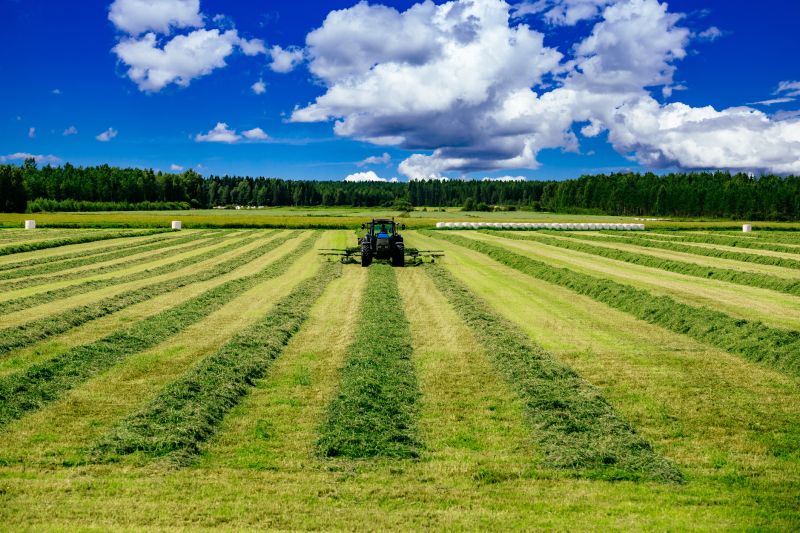
Performing gradings immediately after harvest ensures freshness and accuracy in quality assessment.

Gradings before processing help in sorting and preparing materials for packaging or further handling.

Gradings after storage can identify any quality changes or damages during storage periods.

Ways to make Gradings work in tight or awkward layouts.

Popular materials for Gradings and why they hold up over time.

Simple add-ons that improve Gradings without blowing the budget.

High-end options that actually feel worth it for Gradings.

Finishes and colors that play nicely with Gradings.
Timing harvests during optimal season conditions ensures better quality and more accurate gradings.
Perform gradings when weather conditions are stable to avoid inaccuracies caused by moisture or temperature fluctuations.
Align grading schedules with market demand cycles to optimize product quality and pricing.
Scheduling gradings during periods of low activity can improve accuracy and reduce delays.
| Aspect | Optimal Timing |
|---|---|
| Harvesting | During peak ripeness or maturity |
| Pre-processing | Immediately after harvest |
| Storage | Before and after storage periods |
| Market readiness | Prior to distribution or sale |
| Quality assessment | At scheduled intervals based on product type |
Gradings provide valuable insights into product quality, helping producers and distributors maintain standards and meet market expectations. Accurate timing enhances the reliability of grading results, ensuring products are evaluated at their best condition. Proper scheduling also supports inventory management and reduces waste.

Advanced tools and machinery improve accuracy and efficiency during grading.

Visual and manual inspections are essential components of the grading process.

Automated sorting lines facilitate quick and consistent grading.

Representative samples are critical for accurate quality assessments.

Little measurements that prevent headaches on Gradings day.

A 60-second routine that keeps Gradings looking new.

A frequent mistake in Gradings and how to dodge it.

Small tweaks to make Gradings safer and easier to use.
Incorrect timing can lead to misclassification and quality issues.
Establishing clear schedules enhances consistency across grading cycles.
Understanding the optimal timing for gradings allows for better planning and resource allocation. It ensures that products are evaluated under the best conditions, leading to more accurate assessments and improved marketability.