
Leading Products For Gradings To Improve Accuracy and Consistency
Identify the most popular grading equipment designed to deliver precise and uniform results every time.
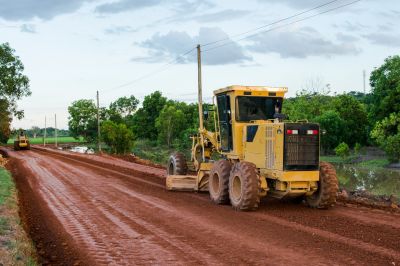 In San Luis Obispo, CA, selecting the right products for gradings involves understanding the specific requirements of the task at hand. Whether for educational purposes, professional assessments, or hobbyist projects, having reliable and versatile tools is essential. The right grading products can help ensure accuracy, consistency, and efficiency in evaluating various materials or work outputs. From traditional manual tools to advanced digital solutions, there is a wide array of options designed to meet diverse needs. Investing in quality products tailored to grading tasks can significantly enhance the precision and ease of completing projects or assessments.
Top Overall Option
Multi-Functional Grading Tool Kit
A comprehensive set that includes various manual and digital tools designed to cater to a wide range of grading needs. It offers adjustable features, durable construction, and compatibility with digital systems, making it suitable for diverse environments and materials.
Types of Products For Gradings
Manual Grading Rulers
Precision rulers with measurement markings for manual assessments and markings.
Digital Scoring Devices
Electronic tools for quick and accurate scoring of various materials or tests.
Color-Coded Marking Pens
Pens designed for clear, visible markings in grading tasks, often in multiple colors.
Grading Sheets and Forms
Pre-designed templates for recording grades systematically and efficiently.
Calibration Tools
Devices used to calibrate measurement instruments for accurate grading.
Digital Tablets with Grading Apps
Tablets equipped with specialized software for digital grading and assessment recording.
Fabric and Material Grading Gauges
Tools designed for assessing the quality and classification of fabrics or materials.
Spectrophotometers
Instruments for color measurement and quality assessment in grading processes.
Thickness and Density Meters
Devices to measure material thickness or density for grading purposes.
Digital Calipers
Precision tools for measuring dimensions critical to grading tasks.
Score Sheets with Digital Entry
Printable or digital score sheets designed for efficient data entry and analysis.
Light Boxes and Inspection Stations
Lighting solutions to assist in detailed inspection and grading of materials.
Magnifying Glasses and Loupe
Tools for close-up inspection of materials or samples during grading.
Automated Grading Systems
Advanced systems that combine hardware and software for comprehensive grading automation.
Sample Holders and Clamps
Accessories to secure samples during measurement and grading.
Popular Choices
Widely used for quick and precise scoring in various grading applications.
Commonly selected for their visibility and ease of use in grading tasks.
Popular for their straightforward measurement capabilities in manual assessments.
Frequently used for systematic recording of grades across different settings.
Increasingly chosen for their versatility and digital record keeping.
Popular among professionals needing precise color assessments.
Commonly used for material classification and quality control.
Favored for their accuracy in measuring dimensions critical to grading.
Preferred for detailed visual inspection and grading of samples.
Often selected for close examination of material details.
Useful for stabilizing samples during grading procedures.
For educators and professionals alike, understanding the nuances of grading tools can make a difference in achieving consistent results. Many products are designed to accommodate different types of materials, including paper, fabric, or digital content. Some tools offer adjustable features to cater to different grading scales or standards, while others focus on ease of use and durability. Considering the specific context—such as classroom settings, laboratory environments, or fieldwork—can help determine the most suitable products.
In addition to traditional tools, technological advancements have introduced digital grading systems that streamline the evaluation process. These systems often integrate software that allows for quick data entry, analysis, and reporting. When choosing products for gradings, it is important to evaluate compatibility with existing workflows and software, as well as the level of precision required. Ultimately, selecting the right tools can facilitate a more organized and accurate grading process, supporting better outcomes across educational and professional settings.
Key Buying Considerations
- Compatibility with existing grading standards and scales.
- Ease of use and ergonomic design for prolonged use.
- Durability and build quality to withstand frequent handling.
- Level of measurement precision required for your specific tasks.
- Compatibility with digital systems or software if applicable.
- Portability and size for use in various environments.
- Availability of replacement parts or accessories.
- Ease of calibration and maintenance.
- Cost-effectiveness relative to features and durability.
- User reviews and reputation of the product for reliability.
- Versatility to handle different materials or grading types.
- Battery life or power source considerations for electronic tools.
- Compliance with relevant industry standards or certifications.
- Availability of customer support and warranty options.
- Compatibility with other tools or measurement devices.